The Hidden Dangers of a Dirty Fireplace Before Fall Start-Up
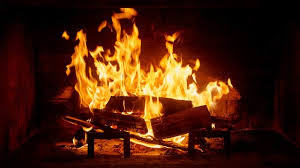
The first fire of fall always feels special. The crackle of wood, the soft glow filling the room, and the warmth pushing back the chill outside, it’s a moment many families look forward to. But what often gets overlooked is what’s hiding inside that fireplace after months of sitting unused. Ash, soot, and even creosote buildup don’t just make things messy; they can turn a cozy evening into a dangerous situation.
Blocked chimneys can push smoke back into your living space, and unnoticed buildup can spark chimney fires that spread faster than most people expect. Some even discover bird nests, twigs, or leaves blocking the flue, making it unsafe to light that first fire. Taking the time to clean and inspect your fireplace before the start of fall isn’t just maintenance; it’s peace of mind, knowing your home and family are safe. For professional cleaning and inspection services, reach out to the Fireplace Vancouver experts to ensure your fireplace is ready for a safe and cozy season.
In this blog, we will explore the hidden dangers of a dirty fireplace before the start of fall and why maintenance matters.
Why Fireplace Maintenance is Often Neglected
Fireplaces often don’t receive the care they need, not because homeowners lack care, but because it’s easy to overlook. When winter ends, the fireplace sits unused for months, and by the time fall comes around, it’s no longer top of mind. People often assume that if something worked last year, it should be fine this year, but that’s not always the case.
A few common reasons why maintenance is skipped:
- Out of Sight, Out of Mind: The mess inside the chimney isn’t visible, so many assume everything is fine.
- Misunderstanding the Risks: Some believe that fireplaces, especially gas ones, don’t need cleaning or inspection.
- Cost Concerns: Many delay maintenance to avoid the expense, not realizing that minor problems turn into costly repairs later.
- Occasional Use Mindset: Homeowners who only light a fire a few times a year often think cleaning isn’t necessary.
The truth is, neglecting fireplace maintenance can lead to hidden dangers that only show up when it’s too late.
The Hidden Dangers of a Dirty Fireplace
Lighting a fire in a dirty fireplace may feel harmless at first, but the risks build up quietly. What appears to be a bit of ash or soot can actually conceal serious dangers that most homeowners overlook until it’s too late. A fireplace is meant to bring warmth and comfort, but without cleaning and inspection, it can quickly turn into a safety hazard.
Here are the biggest dangers of using a dirty fireplace:
- Creosote buildup: When wood burns, it leaves behind a sticky, tar-like substance called creosote. Even a thin layer of it can catch fire. A heavy buildup can lead to chimney fires that spread quickly and are difficult to control.
- Blocked airflow: Bird nests, fallen leaves, or too much soot can block the chimney. This prevents smoke from escaping properly, causing it to recirculate back into your home.
- Carbon monoxide risk: Poor ventilation can release this invisible, odorless gas into your living space. High levels can cause headaches, nausea, and, in severe cases, can be deadly.
- Structural damage: Soot and ash are acidic. Over time, they eat away at the bricks, mortar, and metal parts of the fireplace. Small cracks or rust may not appear alarming, but they can weaken the structure and cause long-term damage.
- Pest problems: A chimney that hasn’t been inspected in months can become a haven for squirrels, birds, or insects. Not only can they block the flue, but they can sometimes even end up in the house.
- Smoke damage to interiors: A dirty chimney often causes smoke to spill back into the room, leaving stains on walls, ceilings, and furniture that are hard to remove.
- Unpleasant odors: Built-up soot, creosote, or animal droppings inside the chimney can give off strong, musty smells, especially on humid days.
- Reduced heating efficiency: When airflow is blocked or parts are damaged, the fireplace produces less heat, requiring you to burn more wood for the same level of comfort.
All these dangers start small and often go unnoticed until a fire, smoke damage, or unexpected repair costs hit. Taking care of the fireplace before fall means you enjoy warmth without worry.
Top 5 Benefits of Considering Fireplace Maintenance Before Fall
Having your fireplace checked and cleaned before the first chill of fall does more than prepare it for use; it provides safety, savings, and peace of mind. A little attention now can prevent big problems later. Here are some key benefits:
- Fire Safety First
The primary reason to maintain your fireplace is safety. Removing creosote and soot buildup reduces the risk of chimney fires, which can spread rapidly and cause significant damage.
- Energy Efficiency
A clean fireplace allows air to move freely, helping wood burn hotter and more evenly. This means you get more heat with less fuel, saving you both time and money.
- Lower Repair Costs
Small cracks, rust, or loose bricks are easier and cheaper to fix when caught early. Maintenance helps identify these issues before they become costly repairs.
- Longer Lifespan of the Fireplace
Ash and soot are acidic and can wear down materials over time. Regular cleaning and inspections protect your fireplace, keeping it in good condition for many years.
- Better Air Quality
A clear chimney vents smoke and harmful gases properly. Without blockages, your indoor air remains cleaner, reducing the likelihood of smoke stains or respiratory problems.
Maintaining your fireplace before fall means fewer risks and more comfort when it matters most. Fireplace Surrey team can help get your fireplace thoroughly cleaned and checked, so you can enjoy cozy, worry-free fires all season long.
5 Steps to Safely Prepare Your Fireplace for Fall
Before you light the first fire of the season, it’s important to make sure your fireplace and chimney are ready. Preparing it now saves you from safety risks and unexpected problems later. Here are the key steps
- Check the chimney and flue: Look for cracks, loose bricks, or signs of rust. From the outside, ensure the chimney cap is secure and that there are no nests, leaves, or debris blocking the opening.
- Clean out ashes and soot: Always remove old ash before starting a new fire. Use a metal container to dispose of it safely, since ashes can stay hot for days. If there’s heavy soot or creosote buildup, contact a fireplace professional.
- Inspect the damper: The damper controls airflow. Test it to ensure it opens and closes smoothly, and inspect for rust or gaps that could allow smoke to escape indoors.
- Examine the fireplace parts: inspect the grate, doors, and seals. Replace or repair any damaged parts.
- Test with a small fire: After cleaning, light a small fire with a few logs. Watch for proper smoke ventilation and listen for unusual sounds that may indicate blockages.
Taking these steps ensures your fireplace is safe, efficient, and ready to keep your home warm throughout the entire season. A little preparation now means cozy fires later without the stress of hidden problems.
Final Thoughts
A fireplace should bring warmth and comfort, not hidden risks. Over time, soot, ash, and creosote accumulate, along with potential blockages or damage that can transform a cozy fire into a safety hazard. By taking a little time before fall to clean, inspect, and prepare your fireplace, you protect your home, avoid costly repairs, and make sure your family enjoys the season with peace of mind. A safe fireplace is the start of a worry-free, cozy fall.